
Find the point.
Get clear on the people, the problem, and the constraints. Define what a successful first version needs to do.
Your product has to do more than look good in a presentation. It has to make sense in someone’s hands. We connect product design, custom software development, and applied AI—so each makes the others stronger.
A strong product starts with a clear answer: who is this for, and what gets better when it exists?
We turn that answer into focused journeys, a visual language with character, and prototypes you can put in front of people. Layout, language, motion, and interaction work together. The personality belongs to your product.
The engineering is part of the experience. Every wait, every response, every saved piece of work matters.
We build web and mobile apps, internal tools, and the systems that connect them. We work through the unglamorous details too: loading states, failed connections, keyboard access, smaller screens, and what happens when someone does something unexpected.
AI earns its place when it helps someone do something better.
We design assistants, knowledge experiences, and automations around an actual task. We think through the context a model needs, the actions it can take, and the moments that should stay with a person. Then we make those capabilities understandable in the product.
Get clear on the people, the problem, and the constraints. Define what a successful first version needs to do.
Explore the experience through real screens and prototypes. Resolve the important questions before they get expensive.
Work in reviewable increments. Make decisions against functioning software, with room to learn and adjust.
Test the edge cases, refine the interactions, and prepare the release. Agree on the next steps for support and improvement.
Yes. A project can begin with a particular problem: an awkward workflow, a dated interface, a slow experience, or an AI feature that needs to become useful. We’ll look at what you have and define a focused scope.
We can work across strategy, design, engineering, and release preparation. We agree on responsibilities, scope, and third-party requirements at the start. App-store review and external approvals remain with their respective platforms.
We start with the product’s needs and your constraints. From there, we can propose a defined first phase and explain the tradeoffs. You won’t need a fully written specification to begin a conversation.
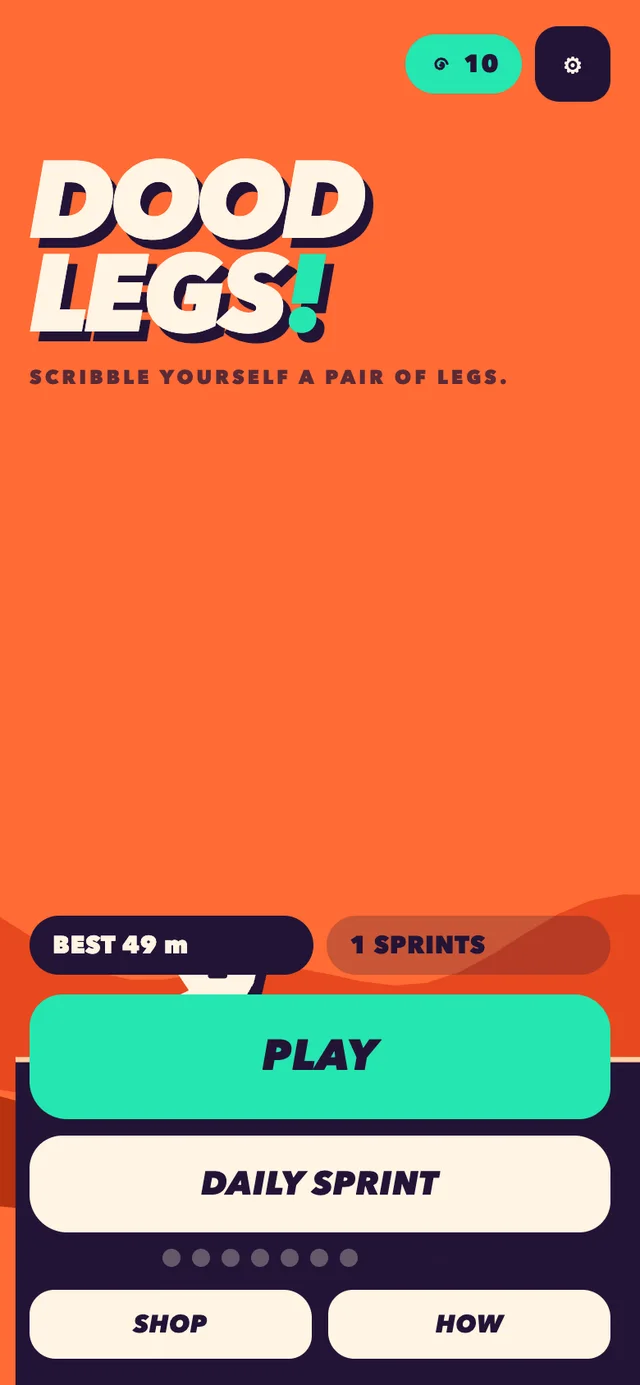
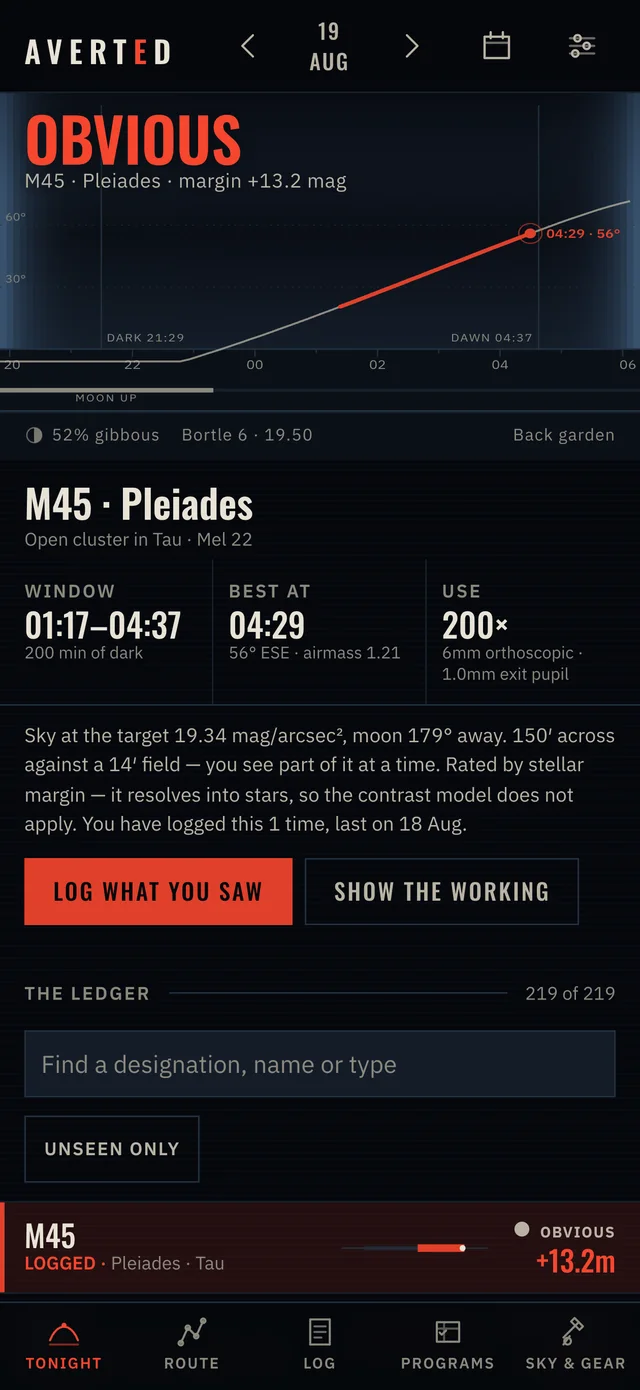
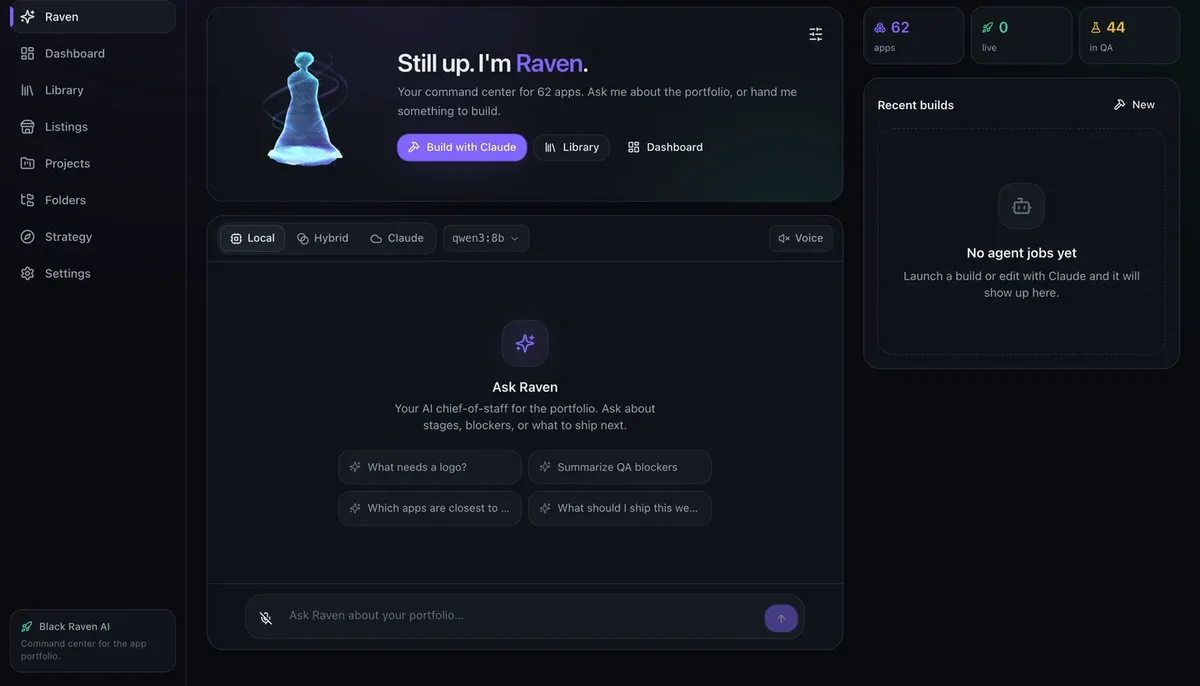
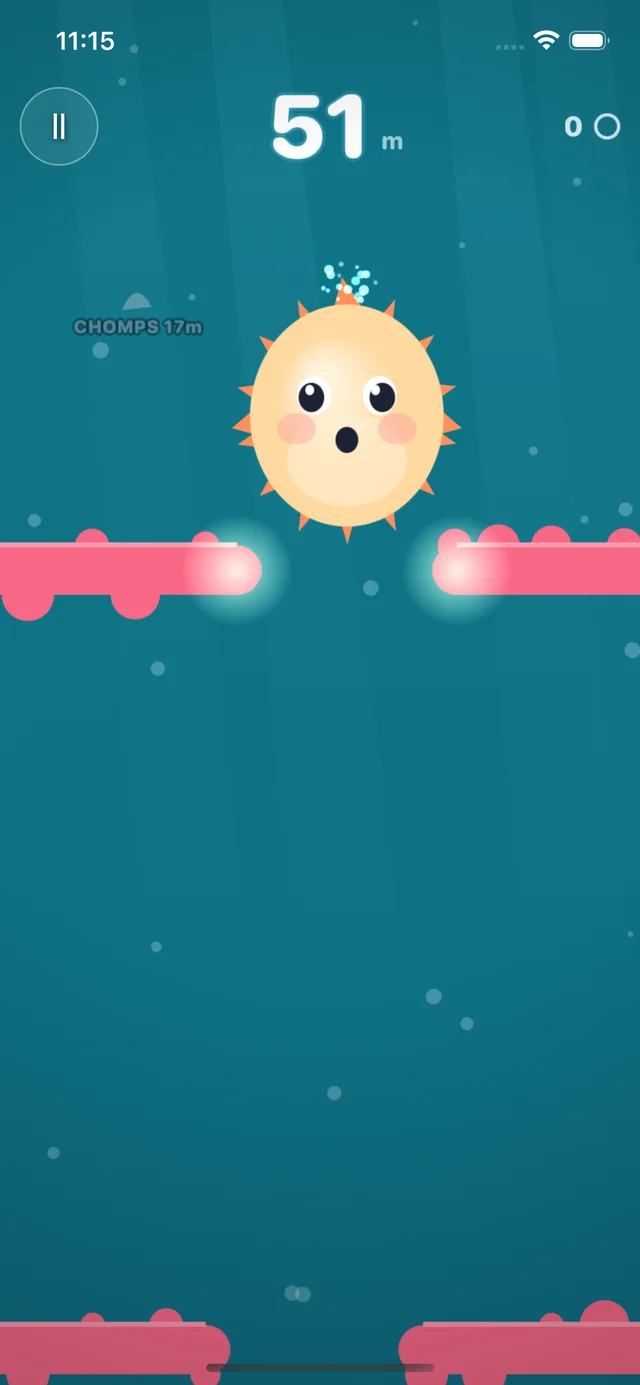
No. Our own work spans mobile games, astronomy tools, and studio software. We use AI where it contributes to the experience. The starting point is always the person using the product.